Children and parents together
The school provides for parents and guardians as well as pupils, through farming support and micro-credit where it is available.

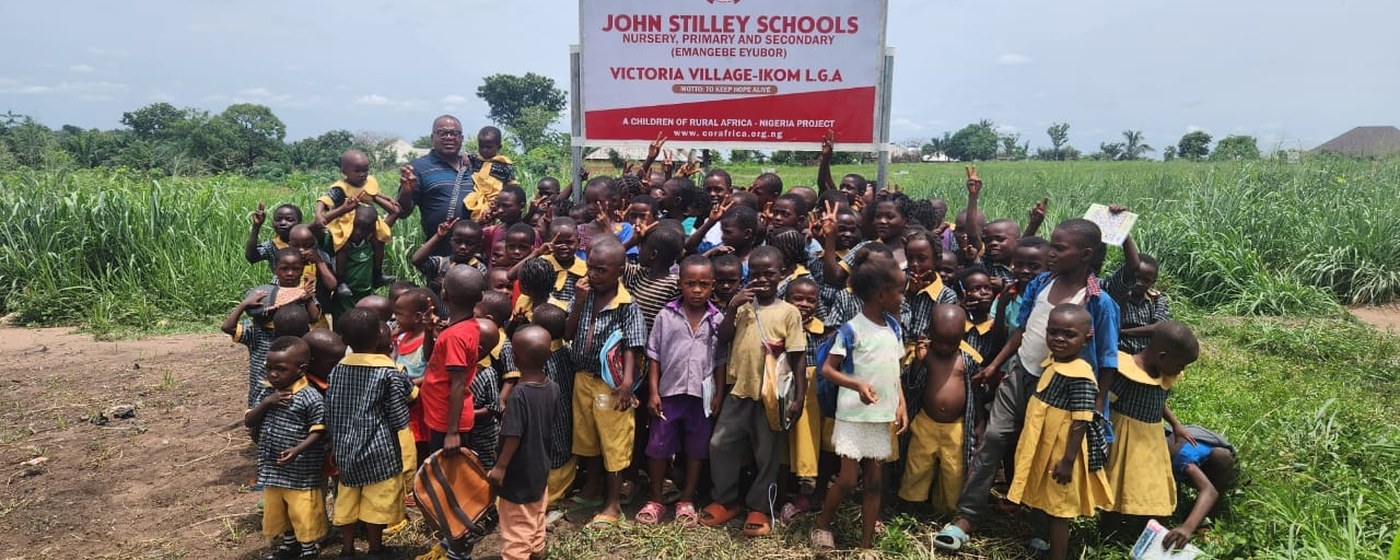
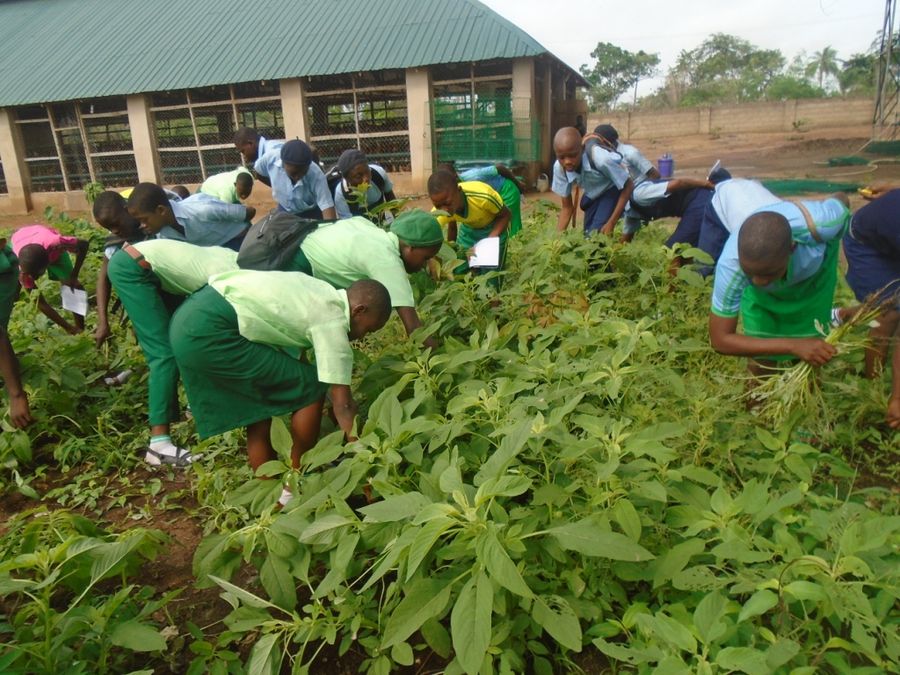
Hunger, illness and a family with no income take more children out of class than any exam does. So a Community Education Centre runs two programmes, education and healthcare — and builds the school farms, HELP-A-KID, economic empowerment and the skills centres into the education itself, for parents and community members as well as pupils. It takes a village to raise a child.
The Community Education Centre
The Community Education Centre is our answer to a hard lesson: a school on its own does not keep a child in class. Hunger, illness and a family without income take more children out of class than any exam does. This is Education for Africa’s Future.
Where the model stands
The model was first built at Idum-Mbube, in Ogoja, and at Victoria, in Ikom. At each, a school, a health centre and a farm were built. Both are working, and both are now being handed to the institutions that will run them from 2027 — which is what they were built for. We intend to replicate the model across Nigeria, beginning in Nasarawa State.
01
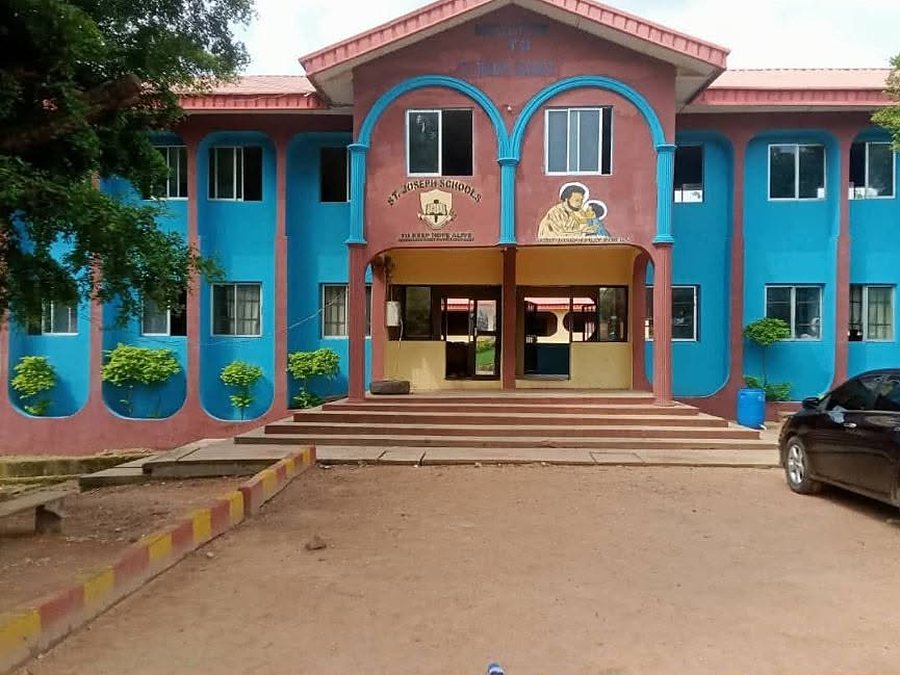
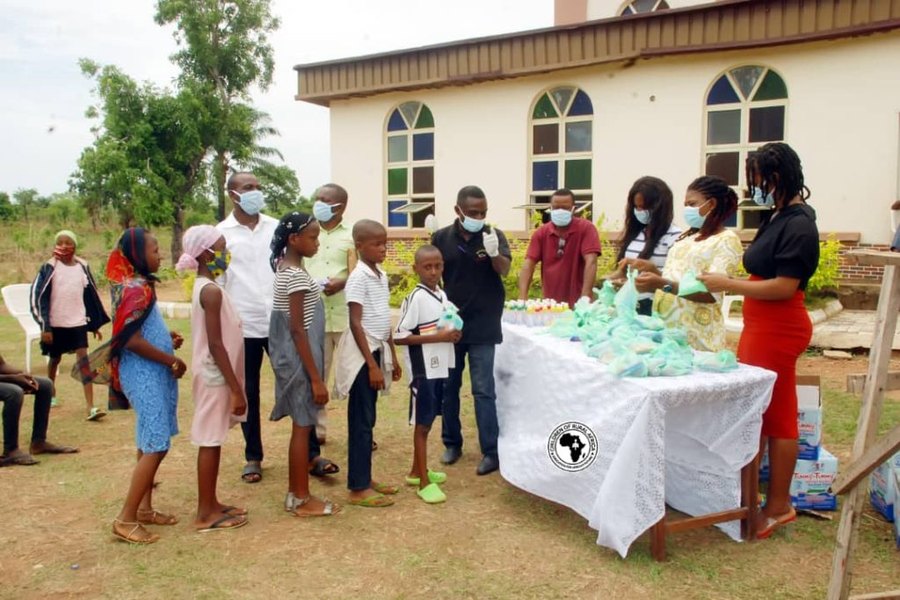
Centre oneSt. Joseph’s Schools and Orphanage, the Sr. Augustina Abuo Memorial Medical Clinic and the CORA Farms — a demonstration of the CEC model. Today it is being handed on.
02
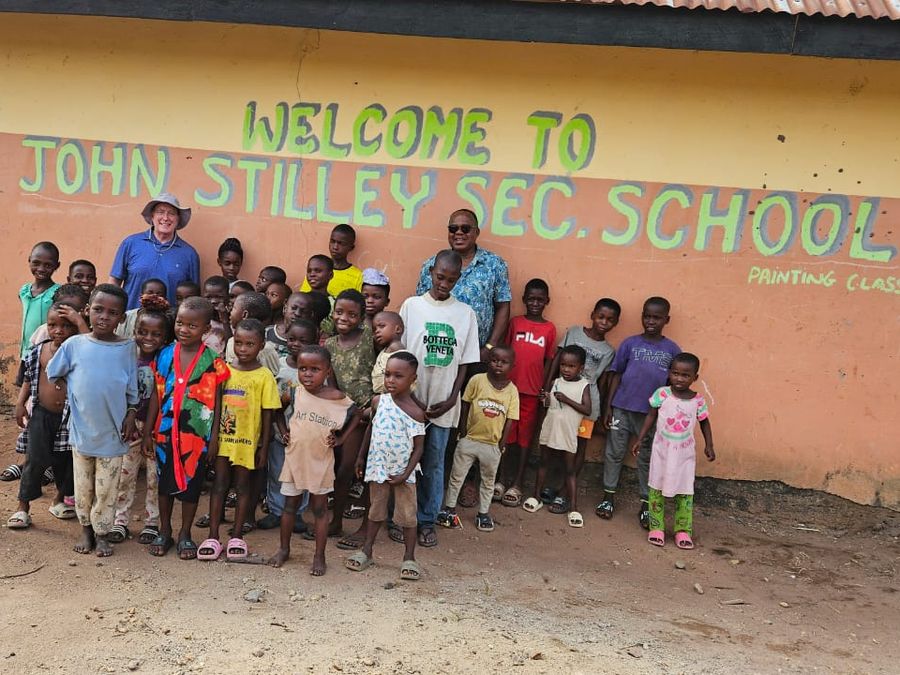
Centre twoThe John Stilley Schools, the Victoria Medical Center and the CORA Farms. Being handed on.
03
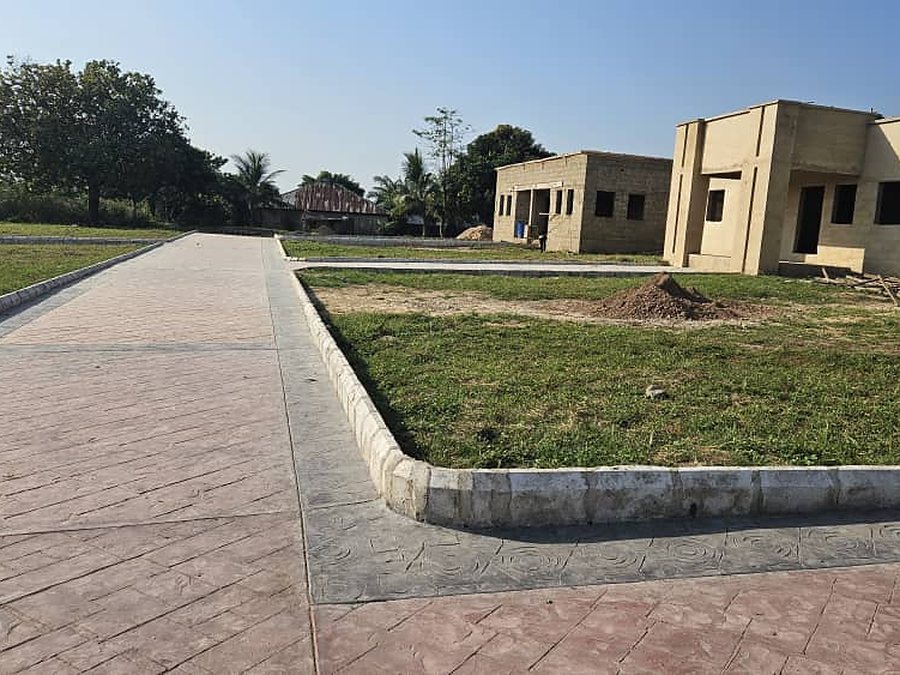
About to buildOur next Community Education Centre, recently initiated, near Abuja.
How a centre works
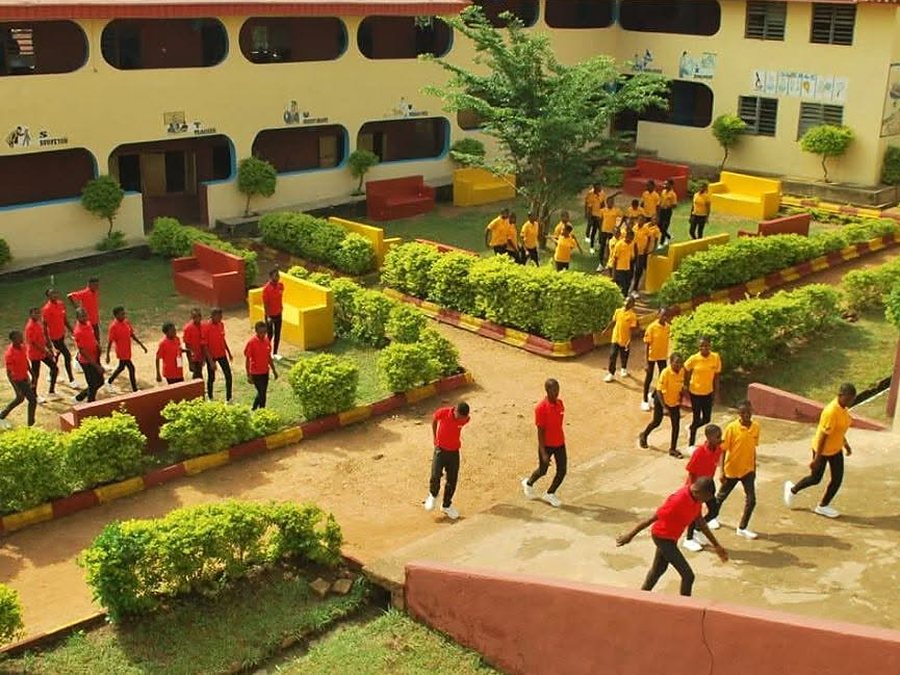
Our Vocational and Skills Acquisition Centres are designed around pilot systems in which children and young people form study teams together with parents, teachers and community members. A skill practised alongside the adults who will employ or finance it is a skill that survives leaving school.
The school provides for parents and guardians as well as pupils, through farming support and micro-credit where it is available.
Trades from computing and fashion design to building, solar installation and farming, to be taught hands-on.
Each centre is designed to be run by its community and partners, so that CORAfrica can move on and begin the next.
The priority
Our first two centres, at Idum-Mbube and Victoria-Ikom, proved the model, and are being handed to the institutions that will run them from 2027. The next is in Nasarawa State. It was recently initiated, and it is where our capital effort is going now.
Capital to complete it. Its budget is being verified, and institutions that would like to fund it should talk to us.
A school at the centre of the Nasarawa community, with education and healthcare as its two programmes and agriculture and economic empowerment built in, for parents as well as pupils.
It is the first step in replicating the model across Nigeria, and it places the work beside the government agencies and partners our plan commits us to working with.
It takes a village to raise a child. This is Education for Africa’s Future.