500+ business owners
Have received interest-free loans across the Ogoja–Ikom axis of Cross River State.

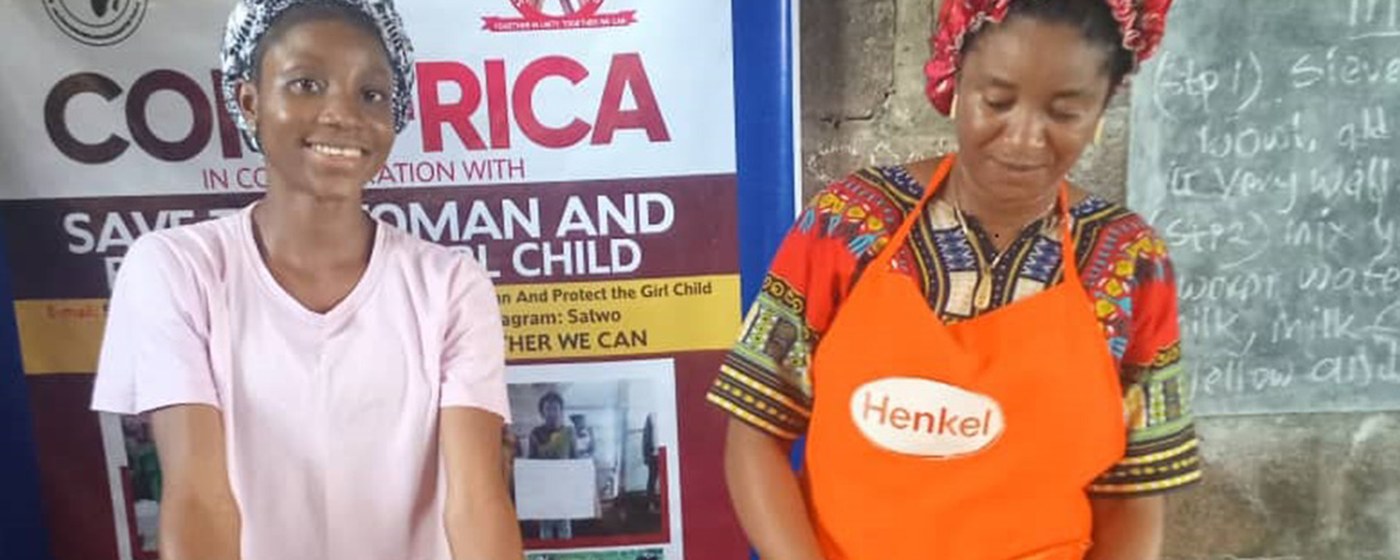
When a family cannot afford to keep a child in class, the barrier is income. The Economic Empowerment Programme lends to the parents — interest-free — so that a business can grow into school fees.
What it does
The programme was established to support underprivileged business owners, above all those who were struggling to provide school fees for their wards. It helps parents expand a business they already have, and encourages willing and underserved members of our communities to start one.
Have received interest-free loans across the Ogoja–Ikom axis of Cross River State.
The size of a loan, set by what the business is and needs, and by the funds available.
Across our three empowerment programmes, to date.
How it works
Beneficiaries are sought through the Catholic parishes. The programme also supports graduates waiting to begin the compulsory year of National Youth Service, who submit a business proposal that is reviewed before any money moves.
Guidance on establishing or expanding a small business and an income-generating activity, and on the practice of repayment.
Beneficiaries are accompanied after the loan, so that the business becomes something that lasts.
The repayment process has been about 80% successful, with minimal losses. Where it fails it is usually need, vulnerability, or a business that was never viable.
Three programmes
Igoli, Ogoja. Launched in 2022 with a US $40,000 fund and commissioned by Bishop Donatus Akpan, it offers soft loans and grants so that parents can build a business and keep their children in school.
Ikom. Gives parishioners access to funds for small and larger enterprises.
Micro-credit for poor parents and guardians, especially in communities where a Community Education Centre operates.
Past beneficiaries
Two businesses, and what each one made of the money.
01
The gymThomas Nsing is a fitness trainer, and the founder of The Team DBB Fitness. He received ₦3,000,000 to furnish and improve his gym. When he started, the room was empty: “We didn’t have any equipment,” he says, and for weights they used flywheels from a mechanic.
The funding bought Olympic weights, a bench and a multi-station gym. The gym used to run one session. It runs three now, two in the morning and one in the evening, because the business has grown. In his own documentary he shares his experience, and the difference CORAfrica has made.
02
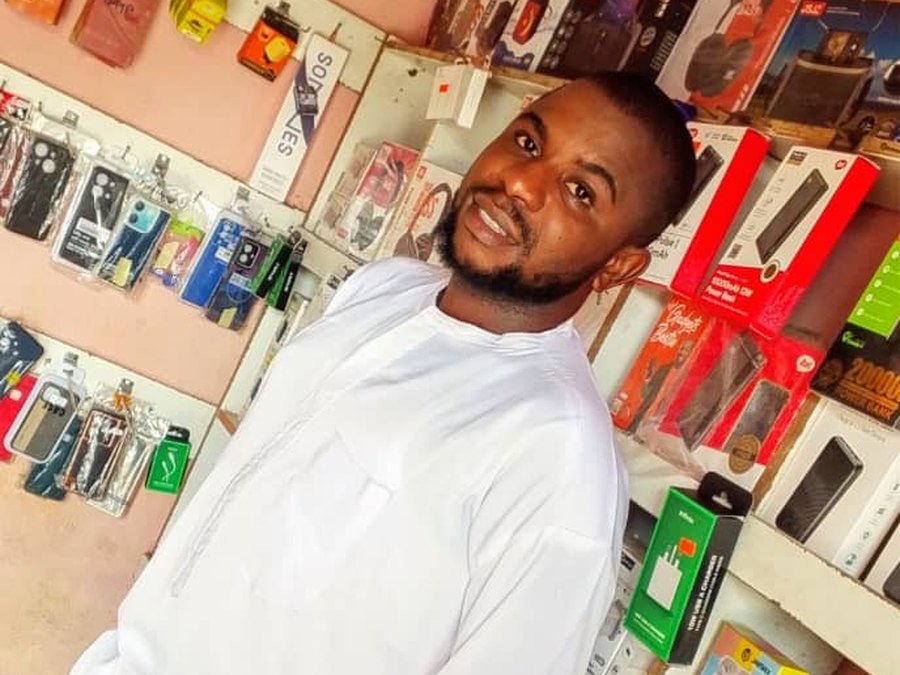
The rippleAchu Owalu received ₦100,000 to establish a Point of Sale business at Ikom, and later expanded it into the sale of phone accessories. Through the growth and success of his business, he has also found ways to give back to society.
Recently he donated 20 POS machines to 20 business owners, helping to ease their business operations and creating opportunities for others. His story shows how supporting one person can create a ripple effect that benefits an entire community.
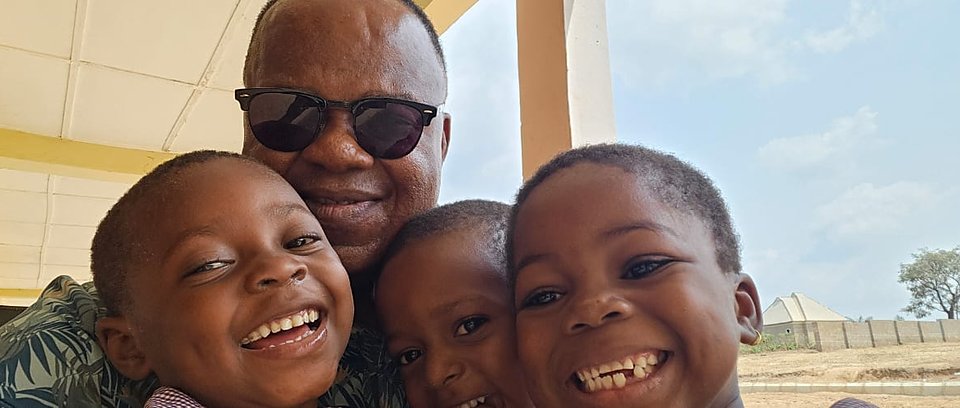
Meaningful empowerment is not simply about providing financial assistance. It is about giving people the opportunity, confidence and resources to build sustainable livelihoods and improve their quality of life.
Support the work
CORAfrica is a registered 501(c)(3) in the United States, so gifts from US donors are tax-deductible. Give monthly, and we can plan.